

GTS Keramik
Made in Germany
Technical Ceramics by GTS – High-Performance Materials for Industry and Research
As a family-owned company based in Düsseldorf, we have been developing customer-specific ceramic formulations for industrial high-performance applications since 1985. More than 100 research institutes across Europe work with GTS – the result is 16 documented material grades with openly accessible reference analyses.
→ Download reference analyses
GTS Keramik is a specialised manufacturer of technical ceramics, custom ceramics and wear-resistant solutions for demanding industrial and scientific applications. With decades of experience, we develop and produce ceramic components for applications where conventional materials reach their limits.
Whether it is crucibles that fall short of their expected service life, processes that become unstable during thermal cycling, aggressive melts that attack standard ceramics, or a component that needs to move from development into reproducible series production – these are exactly the challenges we address with our custom material formulations.
- Core competence: Industrial ceramics for high-temperature and melting processes
- Products: Induction crucibles, ceramic tubes, custom components
- Materials: Aluminium oxide (Al₂O₃) and zirconium oxide (ZrO₂)
- Manufacturing: Custom-made – Made in Germany
Technical Ceramics to Specification – Made in Germany
Our industrial ceramics are designed for use in high-temperature processes, corrosive environments and sensitive applications. GTS products deliver high process reliability and long service lives – particularly in melting systems, laboratories and crystal growing. A central product area is induction crucibles, which we tailor specifically to the metal in question, the furnace atmosphere and the thermal load cycle.
GTS develops induction crucibles for melting precious and industrial metals including platinum, rhodium, silver, iron, copper, zinc and tin, as well as speciality metals such as gallium and lead. Depending on the application, we produce the crucibles in dense or porous grades.
Dense ceramics are suited to high-purity melting processes where no interaction between crucible and melt may occur. Porous ceramics offer higher thermal shock resistance and are preferred for applications with rapid thermal cycling.
The ceramics we use are characterised by high thermal shock resistance, chemical inertness towards aggressive melts and mechanical stability even under extreme conditions.
For our ceramic components we rely on proven oxide ceramics. Aluminium oxide provides a balanced combination of hardness, heat resistance and electrical insulation, making it suitable for many industrial melting and laboratory processes. Zirconium oxide is used wherever maximum mechanical load-bearing capacity, high fracture toughness and chemical resistance are required – for example in medical technology, the chemical industry or particularly demanding thermal applications.
All material grades are documented with openly accessible reference analyses – from dense-grade aluminium oxide (AL99‑G, >99,7 %) through porous corundum (KR-98-VG, >98 %) to zirconium oxide (ZR‑G, <99,7 % dicht).
→ Download reference analyses
Our components find application in melting technology and foundry work, crystal growing, laboratory and medical technology, engineering ceramics and ceramic tubes, as well as investment casting and jewellery casting. All components are developed in close consultation with our customers to match material, geometry and manufacturing precisely to the individual process.
→ Overview of all application areas
Looking for a Custom Ceramic Solution?
Describe your application to us – we will advise you honestly whether a custom formulation makes sense or whether one of our standard grades will be sufficient.
→ Request a no-obligation consultation → Download reference analyses
Precision casting
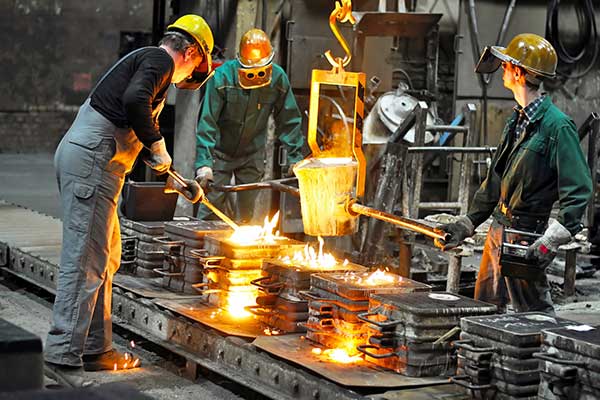
The lost-wax casting process is a very old technology that makes it possible to produce complicated individual parts or even large series. Often, the castings do not need to be reworked, thanks to their high precision.
Engineering ceramics
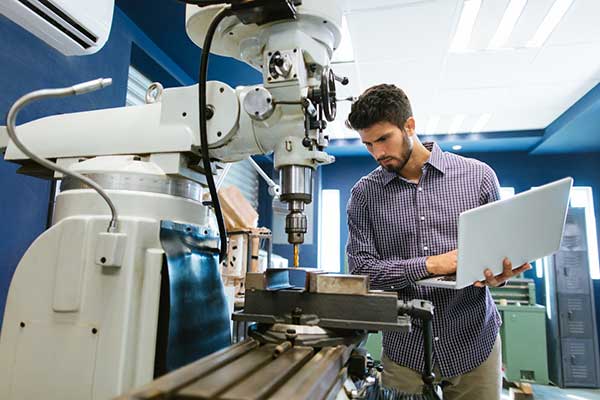
The diverse properties of ceramic products offer an immense spectrum of possible applications. Components made of ceramics can now be found in almost all sectors of the economy.
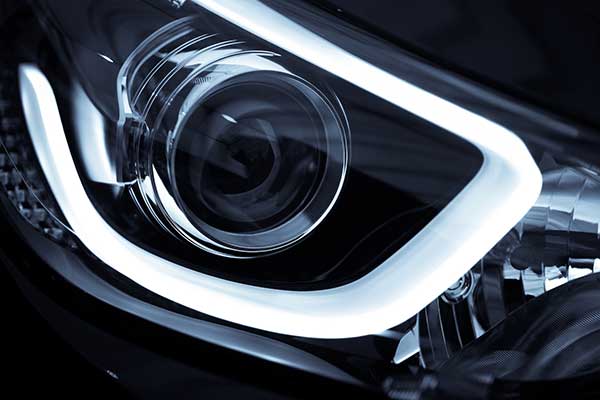
Illuminants and the glass industry
Illuminants (lamps and bulbs) are becoming ever more efficient and energy-saving. Ceramic is used not only as an insulator but also as a carrier material. It is oxidation-free and heat-resistant.
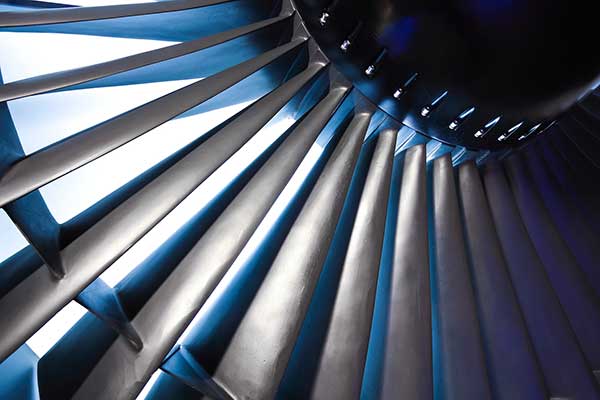
Aerospace industry
In the aerospace industry, the search is on for new materials that can meet the exacting requirements. Ceramic is a promising and important material for this purpose.

Pharmaceutics and medicine
In the pharmaceutical and medical technology sectors, GTS is recognised as a major supplier of high-quality products.
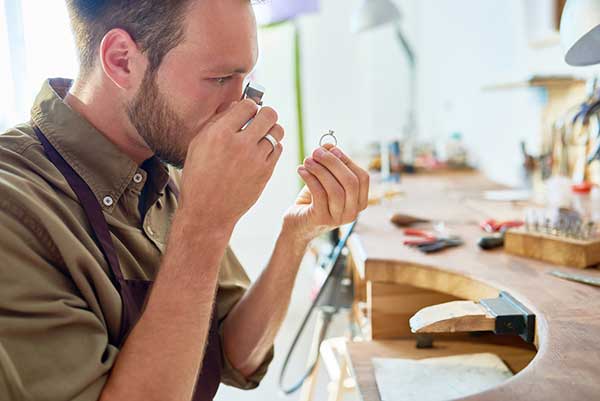
Jewellery sector
As in medical and precision casting, jewellery castings are generally produced using the lost-wax casting technique.

Solar and battery industry
As a manufacturer of ceramic components, GTS was decisively involved in the development of solar cells from its early beginnings.
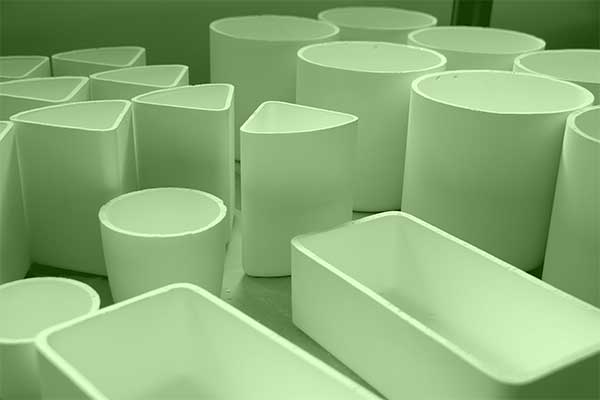
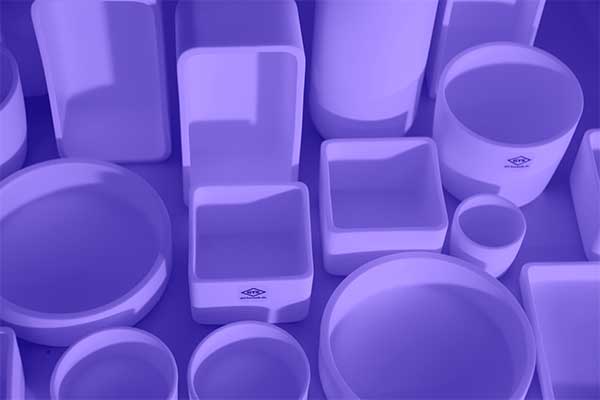
Alumina dense
SPECIAL PROPERTIES
- high mechanical strength
- high wear resistance
- excellent antifriction properties
- high corrosion resistance
- high temperature resistance up to over 1700 °C
- good thermal conductivity
- high electrical insulation capacity
- Good to very good chemical resistance to: aluminium, beryllium, lead, chromium, iron, germanium, cobalt, copper, magnesium, manganese, nickel, silicon dioxide, hydrochloric acid (30%), vanadium, bismuth, tin, zinc
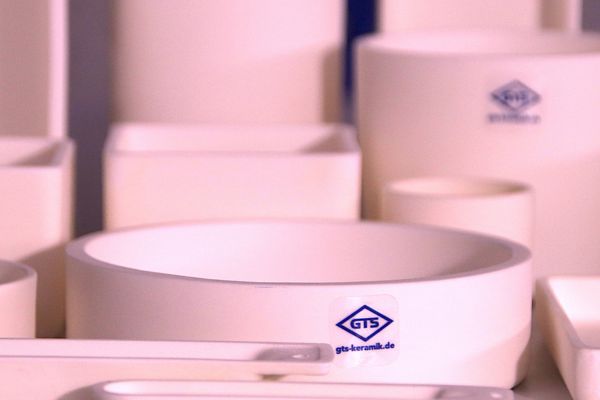
Alumina porous
SPECIAL PROPERTIES
- high mechanical strength
- high corrosion resistance
- temperature resistance up to over 1750 °C
- good thermal insulation
- high electrical insulation capacity
- Good to very good chemical resistance to: aluminium, beryllium, lead, chromium, iron, germanium, cobalt, copper, magnesium, manganese, nickel, silicon dioxide, hydrochloric acid (30%), vanadium, bismuth, tin, zinc
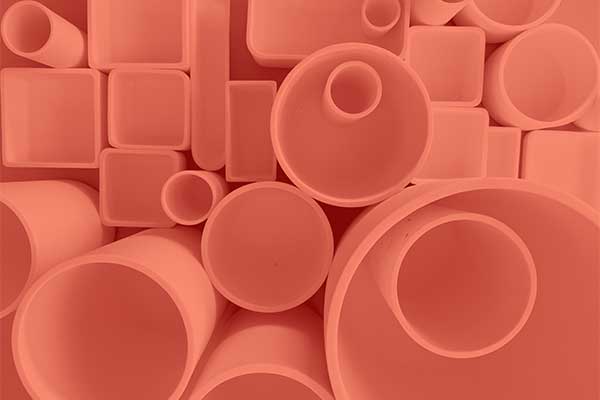
Aluminum titanate porous
SPECIAL PROPERTIES
- high mechanical strength
- high corrosion resistance
- high temperature resistance up to over 1600 °C
- Thermal insulation property
- Good to very good chemical resistance to: Aluminum
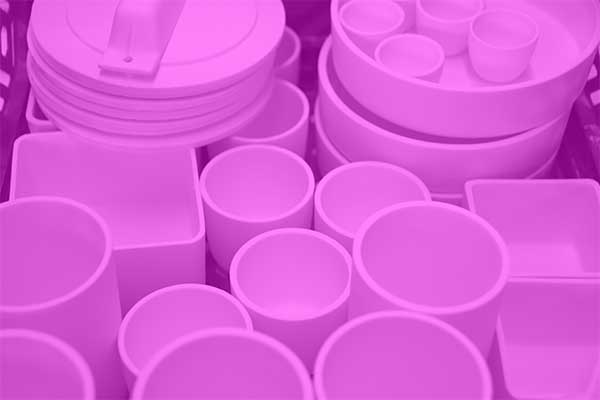
Fireclay (A3)
- Very high heat resistance up to 1200 °C
- Resistant to thermal shock
- Can be heated inductively
- Fireclay stores heat, preventing rapid solidification of the molten mass.
Magnesium oxide
SPECIAL PROPERTIES
Good to very good chemical resistance to: lead, beryllium, iron, copper, nickel, sodium, platinum, plutonium, uranium, bismuth, tin
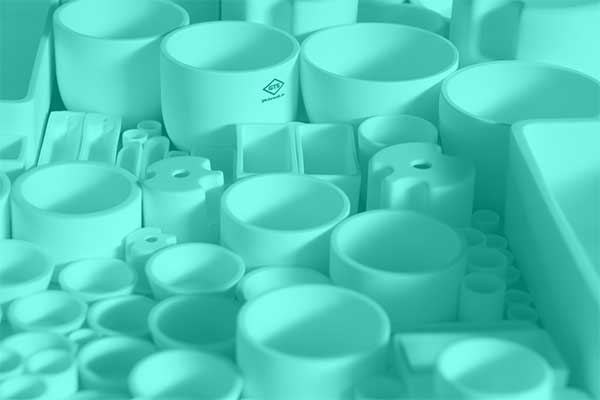
Quartz
SPECIAL PROPERTIES
- low thermal expansion coefficient
- extremely high temperature change resistance
- high corrosion resistance to many molten metals
- high corrosion resistance in contact with many other chemical products
- Good to very good chemical resistance to: lead, gallium, germanium, copper, platinum, tin
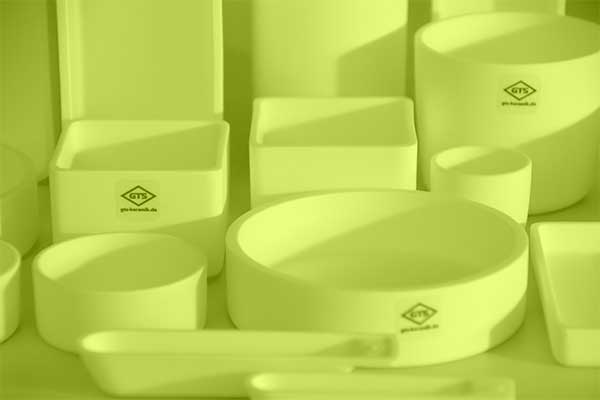
Quartz with silicon nitride
SPECIAL PROPERTIES
- low thermal expansion coefficient
- extremely high temperature change resistance
- high corrosion resistance to many molten metals
- high corrosion resistance in contact with many other chemical products
- Good to very good chemical resistance to: platinum, silver
Zirconia high-density
SPECIAL PROPERTIES
- zirconia is a semiconductor
- high mechanical strength
- excellent wear resistance
- high fracture toughness
- high temperature resistance up to over 2000 °C
- low thermal conductivity
- high corrosion resistance
- Good to very good chemical resistance to: aluminium, beryllium, iron, cobalt, nickel, platinum, rhodium, hydrochloric acid (30%), bismuth, zirconium
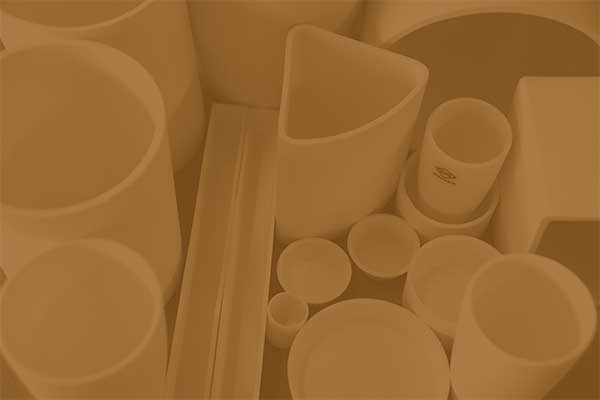
Zirconia porous
SPECIAL PROPERTIES
- zirconia is a semiconductor
- high mechanical strength
- thermal insulation capacity at >1,700 °C
- high temperature resistance up to over 2000 °C
- low thermal conductivity
- high corrosion resistance
- Good to very good chemical resistance to: aluminium, beryllium, cobalt, nickel, platinum, bismuth
Frequently Asked Questions about Technical Ceramics from GTS
What makes GTS Keramik stand out as a manufacturer of technical ceramics?
GTS Keramik is one of the leading manufacturers of technical and industrial ceramics in Germany – and a development partner at the same time. As a family-owned company based in Düsseldorf, we develop customer-specific material formulations rather than simply supplying standard grades. Our customers speak directly with the engineers developing their solution – without multi-level sales channels. Over 100 research collaborations with European institutes support our materials development with reliable data.
Which ceramic materials does GTS process?
GTS manufactures technical ceramics from aluminium oxide (Al₂O₃) in dense and porous grades, zirconium oxide (ZrO₂), quartz with and without silicon nitride addition, spinel, tialite (aluminium titanate) and chamotte. We offer a total of 16 documented material grades whose chemical composition can be verified via openly accessible reference analyses.
What is the difference between dense and porous ceramics in melting crucibles?
Dense ceramics (e. g. AL99‑G with >99,7 % aluminium oxide) prevent any interaction between crucible and melt and are the right choice for high-purity melting processes such as platinum melting. Porous ceramics (e. g. KR-98-VG with >98 % corundum) offer higher thermal shock resistance and are suited to applications with rapid thermal cycling. Which grade is optimal for a given process depends on the melt material, the furnace atmosphere and the load cycle – GTS provides individual consultation on this.
For which metals does GTS offer induction crucibles?
GTS develops induction crucibles for melting precious metals (platinum, rhodium, silver), industrial metals (iron, copper, zinc, tin) and speciality metals (gallium, lead). Every crucible is tailored to the specific metal, the furnace atmosphere and the thermal load cycle. The chemical resistance of the various GTS material grades to specific metals is documented in the reference analyses and product data sheets.
Which ceramic is suitable for induction crucibles?
In inductive melting, it is not the ceramic that is heated but the metal inside the crucible. The ceramic must allow the electromagnetic field to pass through with minimal loss while simultaneously withstanding the heat generated. Quartz is particularly well suited for this purpose because it is electromagnetically transparent and has a low thermal expansion coefficient. At 1.000 °C, quartz expands by approximately 0,5 %, whereas zirconium oxide expands by around 1 %. This greater expansion can cause thermal stresses and crack formation in zirconium oxide. GTS manufactures induction crucibles primarily from quartz ceramic (grades Q100, Q100‑M, Q95F) and advises on selecting the appropriate grade for your specific melting process.
At what temperatures can technical ceramics be used?
The service temperature depends on the material, as ceramics are not a single material but a whole class of materials with very different temperature limits. Technical ceramics as manufactured by GTS operate in a significantly higher range than household ceramics. Aluminium oxide (e. g. AL99‑G, KR-98-VG) is designed for continuous temperatures up to approx. 1.700 °C. Zirconium oxide (ZR‑G, ZR-95-VG) is also suitable for high-temperature applications and additionally offers particularly high mechanical load-bearing capacity. Quartz ceramic (Q100, Q95F) is used primarily in melting technology, where high thermal shock resistance is decisive. Often more important than the maximum temperature is the thermal shock resistance, as well as the atmosphere (air, vacuum, protective gas) and the mechanical load. GTS provides a TWB data sheet on this topic and offers individual consultation.
Which ceramic grade is suitable for which application?
The choice of the correct ceramic grade depends on the application. For high-purity melting processes such as platinum or rhodium melting, dense aluminium oxide (AL99‑G, >99,7 % purity) is the right choice. For applications with frequent thermal cycling, porous corundum (KR-98-VG, >98 %) is the better option due to its higher thermal shock resistance. Quartz ceramic (Q100, Q95F) is the standard for induction crucibles in melting technology. Zirconium oxide (ZR‑G) is used when maximum mechanical strength and chemical resistance are required, for example in medical technology. All 16 material grades are documented with openly accessible reference analyses.
Which ceramic is suitable for melting metals?
The right ceramic for metal melting always depends on the specific metal. Metals react differently with ceramics during melting, depending on temperature, oxidation and chemical composition. GTS develops induction crucibles specifically for melting precious metals such as platinum, rhodium and silver, industrial metals such as iron, copper, zinc and tin, and speciality metals such as gallium and lead. The chemical resistance of each GTS material grade to specific metals is documented in the reference analyses. The ceramic must always be matched to the specific metal to avoid reactions, contamination or damage to the crucible.
How many times can a melting crucible be used?
A melting crucible is a consumable part whose service life depends on several factors: the material of the crucible, the melting temperature and the thermal cycle (heating and cooling rate), the chemical aggressiveness of the melt, and the mechanical load during handling. Heating and cooling too rapidly significantly shortens service life, as thermal shock can lead to crack formation. GTS optimises the material formulation specifically for your process in order to maximise service life. The recommended heating and cooling curves are provided in our TWB data sheet.
Which ceramic is suitable for ashing?
The appropriate ceramic for ashing depends on the material to be ashed. The decisive factors are the form of the material (liquid, powder or solid) and the required ashing temperature. For laboratory ashing processes, GTS offers crucibles in various material grades. Quartz crucibles (A1, A2, A3) are suitable for standard ashing at moderate temperatures. For higher temperatures or chemically more demanding samples, aluminium oxide crucibles (AL95‑G, AL99‑G) are the right choice. The selection must always be adapted to the form of the material and the required temperature to avoid reactions, damage or material losses.
How wear-resistant is technical ceramic?
The wear resistance of ceramics depends strongly on the material and its microstructure. Zirconium oxide (ZR‑G) offers the highest fracture toughness and flexural strength, while aluminium oxide (AL99‑G, KR-98-VG) excels in hardness and chemical resistance. Another decisive factor is density: porous ceramics are less wear-resistant because they are more susceptible to attack. Dense, finely sintered ceramics are significantly more resistant and withstand both mechanical and thermal loads for longer. GTS specialises in wear engineering and manufactures highly wear-resistant ceramic components as one-off parts or in large-scale series production.
Can GTS also manufacture prototypes and one-off parts?
Yes. GTS manufactures ceramic components ranging from individual items to large-scale series. For prototype production we also use 3D processes. After sintering, the components become so hard that they can only be machined with diamond tools. The transition from prototype to stable series production is one of our core competences – we support this process iteratively through to reproducible quality.
In which industries are GTS products used?
GTS supplies customers in melting technology and the foundry industry, crystal growing, laboratory and medical technology, aerospace, solar and battery technology, the jewellery industry, and the lamp and glass industry. We also develop engineering ceramics for mechanical engineering and electronics. Reference customers include Bosch, Schott, ArcelorMittal and Yokogawa as well as numerous European research institutes.
What heating and cooling curves does GTS recommend for dense ceramics?
Dense ceramic components should be heated and cooled in a controlled, uniform manner to avoid thermal shock. GTS provides a TWB data sheet (thermal shock resistance) containing general recommendations for heating and cooling curves. Our engineers provide individual consultation for specific applications.
Does GTS also offer ceramics for medical technology?
Yes. In the field of pharmacy and medical technology, GTS is recognised as an important supplier of high-quality ceramic components. The company played a key role in the development of artificial bone substitute material (TiFoam research project at the Fraunhofer Institute Dresden). Due to its high mechanical load-bearing capacity and biocompatibility, zirconium oxide is particularly well suited to applications in implant technology.
Reference customers